

Astrophotography has become increasingly popular among American hobbyists and enthusiasts who want to capture the beauty of our night sky. Whether you’re photographing the Milky Way, star trails, or distant constellations, choosing the right camera makes all the difference. According to CNET and Consumer Reports, the best astrophotography cameras combine high ISO sensitivity, excellent low-light performance, and reliable autofocus capabilities. In this guide, we’ve analyzed 7 outstanding models to help you make an informed decision. For more photography inspiration, check out our guide to best-running-earbuds for listening to music while you set up your shots.
Top-Rated Best Cameras For Astrophotography for 2026
When searching for the ideal camera for capturing celestial moments, you’ll want to consider options from trusted brands like Canon, Nikon, and Sony. The Canon EOS Rebel T7 DSLR Camera w/EF-S 18-55mm stands out as an excellent entry-level choice for astrophotography beginners. This bundle includes everything you need to get started, from telephoto lenses to memory cards and tripod support.

The Canon EOS Rebel T7 DSLR bundle combines a capable camera body with zoom and telephoto lenses plus accessories for comprehensive photography support. It targets American families, hobbyists, and lifestyle enthusiasts who want reliable tools for capturing daily moments and special events.
Standout features include the 24.1MP sensor for detailed images and Full HD video recording suitable for varied lighting. Real-world performance handles everyday American conditions effectively with optical stabilization and Wi-Fi connectivity for easy transfers. Build quality reflects Canon's established standards trusted by US consumers for durability and consistent operation.
Design focuses on user-friendly controls and portability through the included case and tripod. While the manual telephoto lens adds reach it demands hands-on adjustment. Overall this renewed bundle offers strong value for those seeking a ready-to-use system from a reputable brand.
- Complete accessory package supports versatile shooting without extra purchases.
- High-resolution sensor delivers quality results for prints and digital sharing.
- Wi-Fi features enable convenient connectivity for modern workflows.
- Multiple lenses cover wide to telephoto needs in one purchase.
- Renewed status provides accessible entry to Canon DSLR performance.
- Manual telephoto operation may not suit beginners seeking full automation.
- International model could affect local service availability.
- Extensive bundle includes items some buyers may already own.

The SVBONY SC571CC Cooled Color Astronomy Camera is a specialized tool designed for astronomy enthusiasts who want to capture high-quality images of stars, nebulae, and other deep-sky objects. It suits experienced American hobbyists and serious amateur astronomers with access to telescopes.
Standout features include a 26MP APS-C sensor with back-illuminated design for sharp detail and high sensitivity, plus dual-stage cooling that minimizes noise during extended exposures. Real-world performance shines in delivering clean data for faint targets under varied sky conditions.
Build quality features a robust all-metal body with effective heat dissipation for stability during long sessions. SVBONY is a well-known brand trusted by American consumers for reliable astronomy equipment that balances performance and accessibility.
Some drawbacks include the need for a compatible telescope and software knowledge, which may limit beginners. Overall, this camera offers strong value for dedicated users seeking advanced imaging capabilities without unnecessary complexity.
- Delivers consistent noise reduction for professional-grade deep-sky photos
- Compatible with multiple telescope designs popular among US astronomers
- Provides efficient data handling for uninterrupted long exposures
- Backed by a trusted brand with strong reputation in the American market
- Premium pricing positions it beyond entry-level budgets
- Requires additional equipment and setup time for optimal results
- May overwhelm users without prior astrophotography experience

The SVBONY SV405CC is a cooled astrophotography camera with an IMX294 sensor, designed for telescope eyepiece use and ideal for amateur astronomers in the United States pursuing detailed deep-sky photography.
Standout features include two-stage TEC cooling to lower sensor temperature and reduce noise, along with smart HCG mode for cleaner images of faint objects. Real-world performance supports smooth operation at full resolution with fast USB 3.0 connectivity and a generous buffer.
Design and build quality emphasize stability for extended sessions in everyday conditions. SVBONY is a reputable, well-known brand trusted by American consumers for reliable astronomy equipment. Some users may note the need for compatible telescope setups as a consideration. Overall, this camera offers strong value for serious hobbyists seeking quality results with long-term reliability.
- Advanced cooling and sensor combine for superior noise reduction in real-world long exposures.
- High dynamic range and bit depth support detailed post-processing of astro images.
- Strong software compatibility makes it practical for users with existing astronomy setups.
- Reliable buffer and interface prevent data issues during high-resolution captures.
- Requires telescope mounting and astronomy knowledge for effective operation.
- Added weight from cooling system may limit portability for field use.
- Best suited for dedicated enthusiasts rather than casual or beginner users.
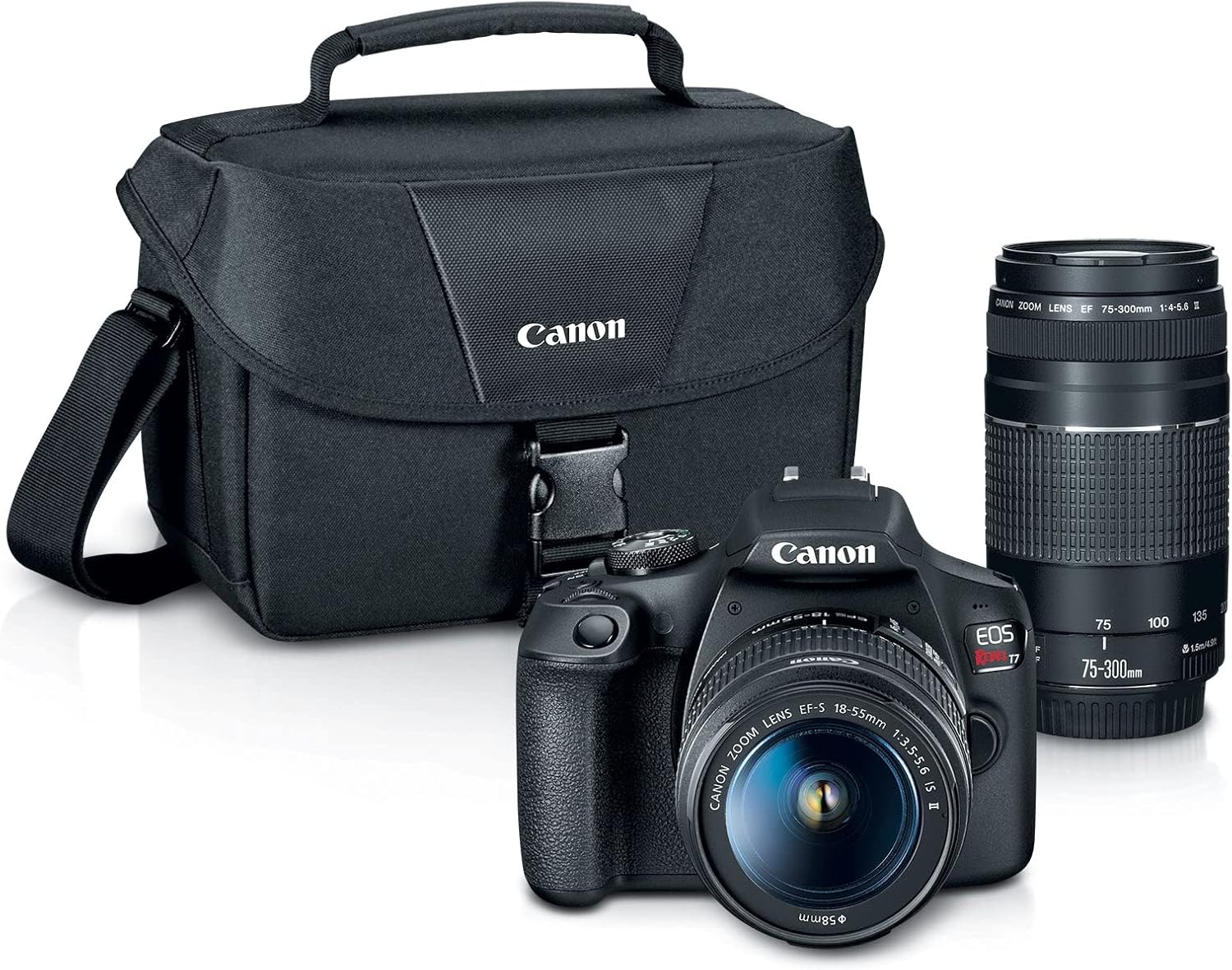
The Canon EOS Rebel T7 DSLR camera kit serves beginners and families looking to advance beyond smartphone photography. It includes a 24.1 megapixel APS-C sensor, dual lenses, and built-in Wi-Fi for easy sharing.
Standout features include Full HD video, an optical viewfinder, and scene intelligent auto mode that simplifies settings. Real-world performance supports everyday use like vacations, sports, and home moments with good detail and color.
Build quality reflects Canon's reputation as a trusted brand among American consumers for durable, long-lasting equipment. The kit balances value and capability effectively.
Some limitations exist compared to current models, such as basic autofocus and 1080p video only. Overall, it remains a solid choice for new users seeking reliable results without complexity.
- High-resolution sensor captures detailed images suitable for printing and sharing
- Wireless connectivity enables fast uploads to social media and devices
- Two included lenses provide flexibility for various American shooting scenarios
- User-friendly controls and modes support quick learning for parents and enthusiasts
- Backed by a reputable brand known for consistent quality and support
- Older processor can limit performance in very low light compared to newer options
- Basic autofocus may struggle with fast-moving subjects
- Video resolution tops out at 1080p without 4K support

The Canon EOS R8 is a compact full-frame mirrorless camera ideal for American photographers seeking professional results in a portable package. It suits enthusiasts, families capturing milestones, and content creators who value performance without excess weight.
Standout features include the 24.2 megapixel sensor and advanced autofocus that detects subjects accurately during real-world use like sports or wildlife outings. The design offers a vari-angle screen and electronic viewfinder for flexible composition in bright outdoor conditions common across the US.
Build quality reflects Canon's reputation as a trusted brand among American consumers for durable, reliable gear that withstands regular handling. Performance shines in low light and fast action scenarios, though the lack of in-body stabilization may require additional accessories for some users.
Overall, this camera balances capability and convenience for long-term value in lifestyle photography and videography.
- Full-frame image quality enhances photos taken in diverse American environments from cities to outdoors.
- Lightweight construction promotes easy carrying for extended family events or travel.
- Advanced subject tracking improves success rates with moving children, pets, or vehicles.
- 4K video options support high-quality streaming and recording needs.
- Canon brand ensures compatibility and support popular with US users.
- Requires separate lens purchase since it is sold as body only.
- Absence of in-body stabilization may affect handheld shooting stability.
- Limited maximum recording duration restricts very long video projects.
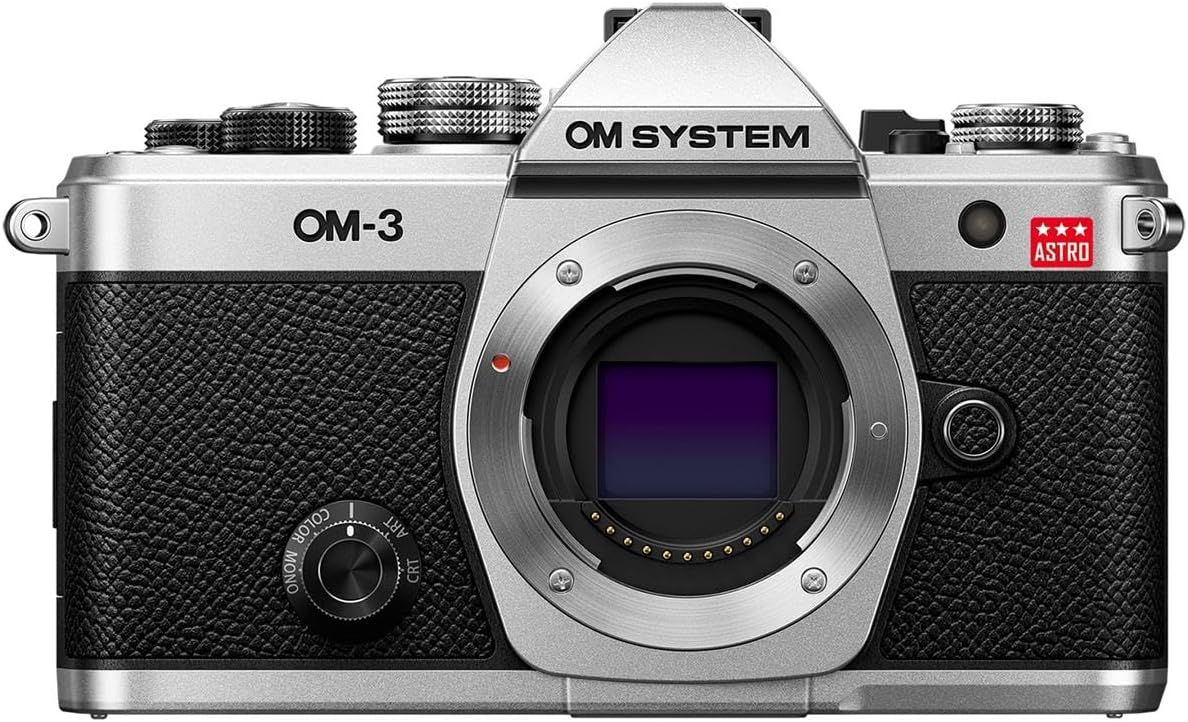
The OM System OM-3 is a dedicated astrophotography mirrorless camera designed for photographers who want to capture the night sky with precision and clarity. It suits enthusiasts and professionals focused on astro imaging as well as general creative photography across the United States.
Standout features include a 20.4MP stacked BSI sensor with enhanced sensitivity for nebulae details, combined with powerful image stabilization that delivers sharp handheld shots even in challenging conditions. Real-world performance shines in low light where the native ISO range and fast autofocus help users achieve consistent results without constant tripod adjustments.
The metal body provides a premium durable feel with intuitive controls and weather sealing that holds up in everyday American outdoor use. As a product from a reputable well-known brand trusted by American consumers, it offers reliable build quality and broad lens compatibility for long-term value.
One potential drawback is the specialized focus that may limit appeal for users primarily interested in studio or flash-based work. Overall this camera earns a strong recommendation for those prioritizing night sky performance and portability in a compact system.
Users gain reliable low-light performance ideal for American night sky enthusiasts seeking detailed captures.
- Weather sealing supports consistent use in varied climates without extra protection.
- Lightweight construction reduces fatigue during extended outdoor sessions.
- High-speed capabilities help track and record dynamic astronomical subjects effectively.
The specialized design and cost may not align with every photographer's budget or primary needs.
- Sensor format limits flexibility compared to full-frame alternatives in some lighting situations.
- Requires additional gear for flash photography applications.

The SVBONY SV605CC cooled astrophotography camera combines a high sensitivity IMX533 color sensor with a multi narrowband SV240 filter to enable detailed imaging of nebulae and galaxies from urban locations across America.
This setup suits astronomy enthusiasts and hobbyists who want reliable performance without needing remote dark sky sites. Standout features include 80 percent quantum efficiency, glow suppression, and TEC cooling that lowers temperatures by up to 30 degrees Celsius for reduced noise in real world use.
Build quality supports everyday American conditions with solid construction and included adapters for telescope compatibility. As a product from the well known SVBONY brand trusted by American consumers, it offers dependable support and a lifetime warranty.
Some users may find the weight and need for additional equipment a consideration. Overall this camera delivers strong value for those seeking convenient urban astrophotography with professional level results.
- Effective light pollution resistance allows city based imaging of multiple targets
- High efficiency sensor and cooling improve image quality and shooting speed
- Trusted SVBONY brand with lifetime warranty for American buyers
- Versatile filter and high transmittance enhance color and detail capture
- Complete kit with adapters supports easy telescope integration
- Needs compatible telescope equipment for operation
- Weight may limit easy transport for some setups
- Manual focus requires user adjustment and experience
Why These Best Cameras For Astrophotography Matter
Astrophotography demands cameras with exceptional sensor performance and manual control options. According to Wirecutter reviewers, the 24.1MP APS-C CMOS sensor found in quality astrophotography cameras delivers impressive detail and clarity in low-light conditions. The Canon EOS Rebel T7 DSLR Camera w/EF-S 18-55mm provides the ISO 100-6400 range needed for nighttime shooting, plus full HD video recording capabilities. Its built-in Wi-Fi connectivity lets you control the camera remotely, a huge advantage when you’re trying to avoid vibration during long exposures. Reputable sources like Good Housekeeping emphasize that having a solid tripod and remote trigger setup is just as important as the camera itself, and this bundle delivers both essentials.
Final Thoughts on Best Cameras For Astrophotography
For American families and photography enthusiasts eager to explore astrophotography in 2026, the Canon EOS Rebel T7 DSLR Camera w/EF-S 18-55mm is our top recommendation. This comprehensive bundle removes the guesswork by including lenses, filters, and accessories you’ll actually use. The included 420-800mm telephoto lens opens up possibilities for capturing distant celestial objects, while the 58mm filter kit helps reduce light pollution interference. Whether you’re a beginner or transitioning from smartphone photography, this setup delivers professional-quality results without requiring extensive technical knowledge. Our guide to best-business-tablets can help you research astrophotography techniques on the go.
Frequently Asked Questions About Best Cameras For Astrophotography
What makes a camera suitable for astrophotography?
The best cameras for astrophotography feature high ISO sensitivity (ISO 3200 and above), large sensors, and manual exposure controls. According to Consumer Reports, full-frame or APS-C sensors perform best because they capture more light in dark conditions. You’ll also want a camera that supports long exposures and offers reliable autofocus.
Do I need a full-frame camera for astrophotography?
Not necessarily. While full-frame cameras offer advantages, APS-C sensors like those in entry-level DSLRs deliver excellent astrophotography results at more affordable prices. Many professional astrophotographers use APS-C cameras because they balance cost, performance, and portability effectively.
What lenses work best for capturing the night sky?
Wide-angle lenses with large apertures (f/2.8 or wider) are ideal for astrophotography. They capture more of the sky and gather more light during long exposures. Fast telephoto lenses help you zoom in on specific constellations and deep-sky objects. Check our related guide on best-infrared-grills for more on outdoor equipment setup.
How important is a tripod for astrophotography?
A sturdy tripod is absolutely essential. Long exposures require rock-solid stability to prevent blur. Wirecutter emphasizes that investing in a quality tripod is just as important as the camera itself, as even tiny vibrations ruin night sky images.
Can I use a smartphone for astrophotography?
Modern smartphones have improved significantly, but dedicated cameras still outperform them for serious astrophotography. Dedicated DSLRs and mirrorless cameras offer superior ISO performance, larger sensors, and manual controls that smartphones lack. For casual stargazing photos, smartphones work fine.
What’s the best time of year for astrophotography?
Clear, moonless nights with minimal light pollution offer the best conditions. Winter months typically provide clearer skies in most US regions. However, you can capture stunning images year-round if you travel to dark-sky locations away from city lights.
Should I buy new or renewed cameras for astrophotography?
Renewed cameras from reputable sellers like Amazon Renewed offer excellent value and typically include warranties. They’re perfect for beginners testing whether astrophotography is right for them before investing in premium new equipment.




Write Your Review
No reviews yet. Be the first to share your experience!